
HCCSTL, SLDC Help Hispanic Business Owners Build Long-Term Success
For the Hispanic Chamber of Commerce of Metropolitan St. Louis (HCCSTL), improving the St. Louis region’s economy means increasing Hispanic economic contributions, supporting member businesses and strengthening the workforce. With members spanning a wide range of industries, HCCSTL helps power the city’s communities.
By providing bilingual, culturally relevant guidance and resources for emerging business owners, the Small Business Success Program, sponsored by the St. Louis Development Corporation (SLDC), helps entrepreneurs think more strategically about their operations.
The program expands on HCCSTL’s mission, creating a trusted space where business owners can receive technical information, ask questions and talk through challenges to gain greater understanding. The program has already served 38 businesses in the past two and a half years.
“Hispanic business owners are producing and generating revenue,” said Martha Garcia Kampen, president and CEO of HCCSTL. “Now the question is: How do they scale their businesses? The Small Business Success Program was created to address this need.”
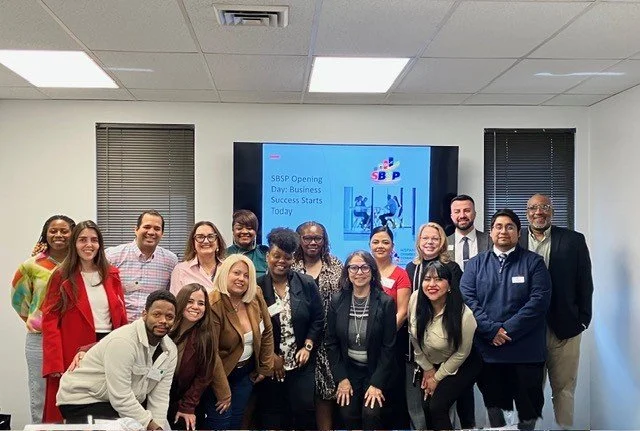
The Small Business Success Program’s spring 2026 cohort began in April.
Empowering a Growing Hispanic Community
Helping businesses grow is both a professional and personal commitment for Martha, a second-generation Mexican American from Kansas City, Missouri. She previously served on the HCCSTL Board of Directors and the HCCSTL Foundation Board before stepping into her current role in 2023.
“I grew up around family business,” Martha said. “My father owned a jewelry store, was good at watch repair and sales and had great ideas, but he did not have much guidance on how to run a business. If he had relevant education, his business might have been a lot more successful.”
As the Hispanic business community continues to expand, the need for collaboration with organizations like HCCSTL is especially clear.
According to HCCSTL’s 2025 Economic Drivers Report:
The St. Louis metropolitan area is home to an estimated 8,800 Hispanic-owned small businesses.
As of 2022, there were nearly 900 Hispanic- or Latino-owned employer firms in the region.
The Hispanic workforce has grown three times faster than the non-Hispanic workforce, helping fill critical roles in the region’s industries such as healthcare, construction, technology and management.
Hispanic residents contribute to the St. Louis region’s economy as consumers, homeowners, workers and community members. Nationally, U.S. Hispanic purchasing power has reached approximately $2.7 trillion.
“When more businesses are supported, more people can buy homes, send their children to schools, contribute to neighborhood associations and get involved in their communities, creating a more vibrant region,” Martha said.
How the Small Business Success Program Helps Entrepreneurs Scale
There are many startup resources already available to assist entrepreneurs in St. Louis.
“The goal of our program is to support business owners who have at least two years of experience generating revenue, already producing and serving customers, and are ready to learn how to scale,” Martha said. “This often includes helping them understand their financial records, how to build credit, business planning and funding options that help create a sustainable business.”
The program is structured across spring, summer and fall classes, focusing on a different subject each session.
In the spring class, the cohort focuses on business goals, planning basics, accounting and taxes, marketing and financial considerations.
During the summer, participants receive one-on-one support from consultants to help apply what they learned.
The fall class takes a deeper dive into topics including business planning, business law, branding and marketing, human resources, finances and loan readiness before graduation.
Program participants receive consultation, in-person workshops, virtual learning, mentorship and connections from HCCSTL members and peer organizations. HCCSTL draws on its own members as subject matter experts, each vetted through a formal agreement, and calls on partner organizations when additional expertise is needed.
“I don’t want to reinvent a wheel that is already spinning somewhere,” Martha said. “I would rather plug people into great resources and help them take advantage of it. When our partner organizations stay focused on their missions, we are all aligned. That’s what makes our partnership with SLDC work so well.”
SLDC supports the Small Business Success Program through its educational materials and additional learning opportunities for participants. The partnership also introduces business owners to SLDC's broader network of resources.
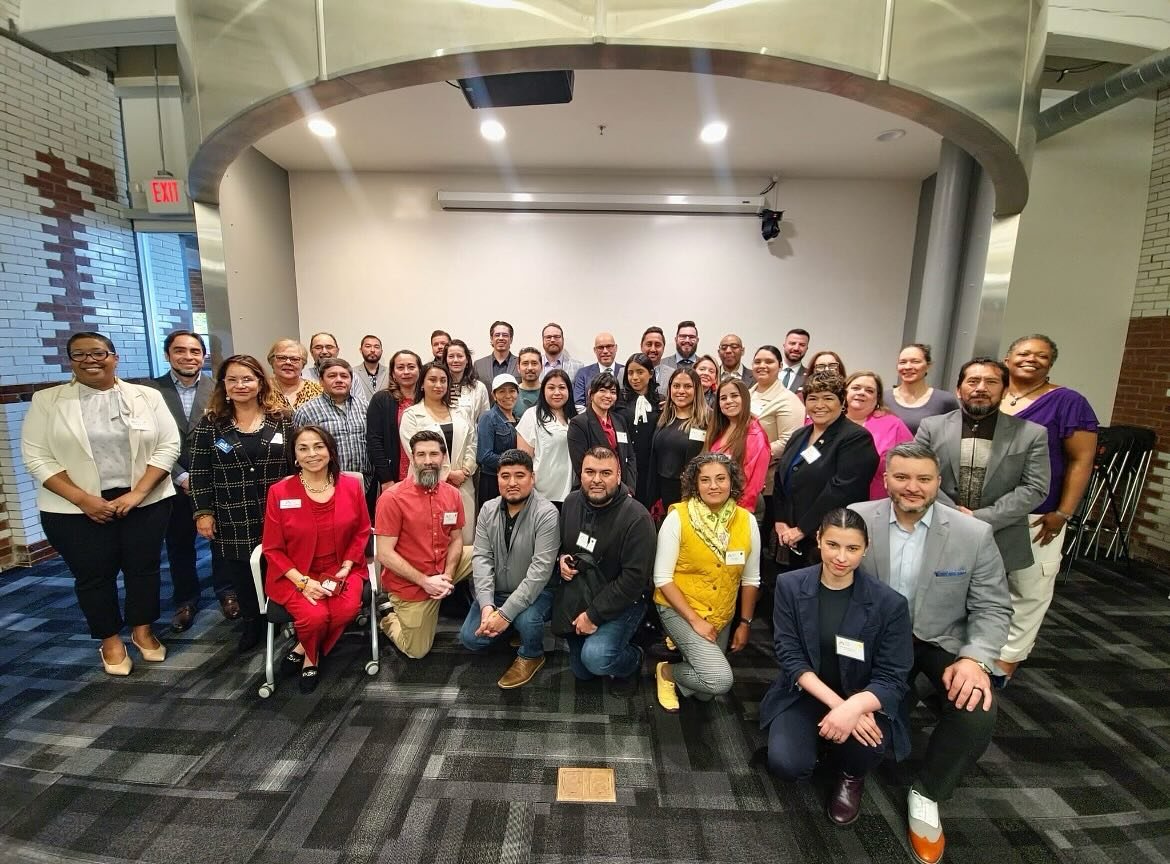
The Small Business Success Program’s 2025 cohort graduated in the fall.
Positioning Businesses for Success, Now and in the Future
Since its first cohort in 2024, the Small Business Success Program continues to evolve and keep participants connected to HCCSTL and its partner network.
The latest class, which began this April, has already been a success for HCCSTL. One entrepreneur is building an online business around naturally sourced fabrics and handcrafted clothing designs. Through conversations in the program, she has begun thinking beyond the product itself and is considering scaling her business through expanded distribution, subcontracting and other next steps needed for future growth.
Another participant in the spring 2026 cohort is working on how to scale their natural fruit popsicle business while keeping up with day-to-day production.
"The chamber has been here for 44 years, and we are going to be here for another 44 years," Martha said. "With support, collaboration and partnership from established organizations like SLDC, we will continue to add to our offerings."
The Small Business Success Program is open to business owners of all backgrounds who are ready to scale their business with practical information and consultation. Applications for the Fall 2026 cohort are now open.
To learn more and apply, click here.